Category: Health

  • After 65 the FLU Shot Matters More Than Ever

    After 65 the FLU Shot Matters More Than Ever

    The Flu Isn’t “Just the Flu” Anymore, But Is the senior flu shot still worth it?

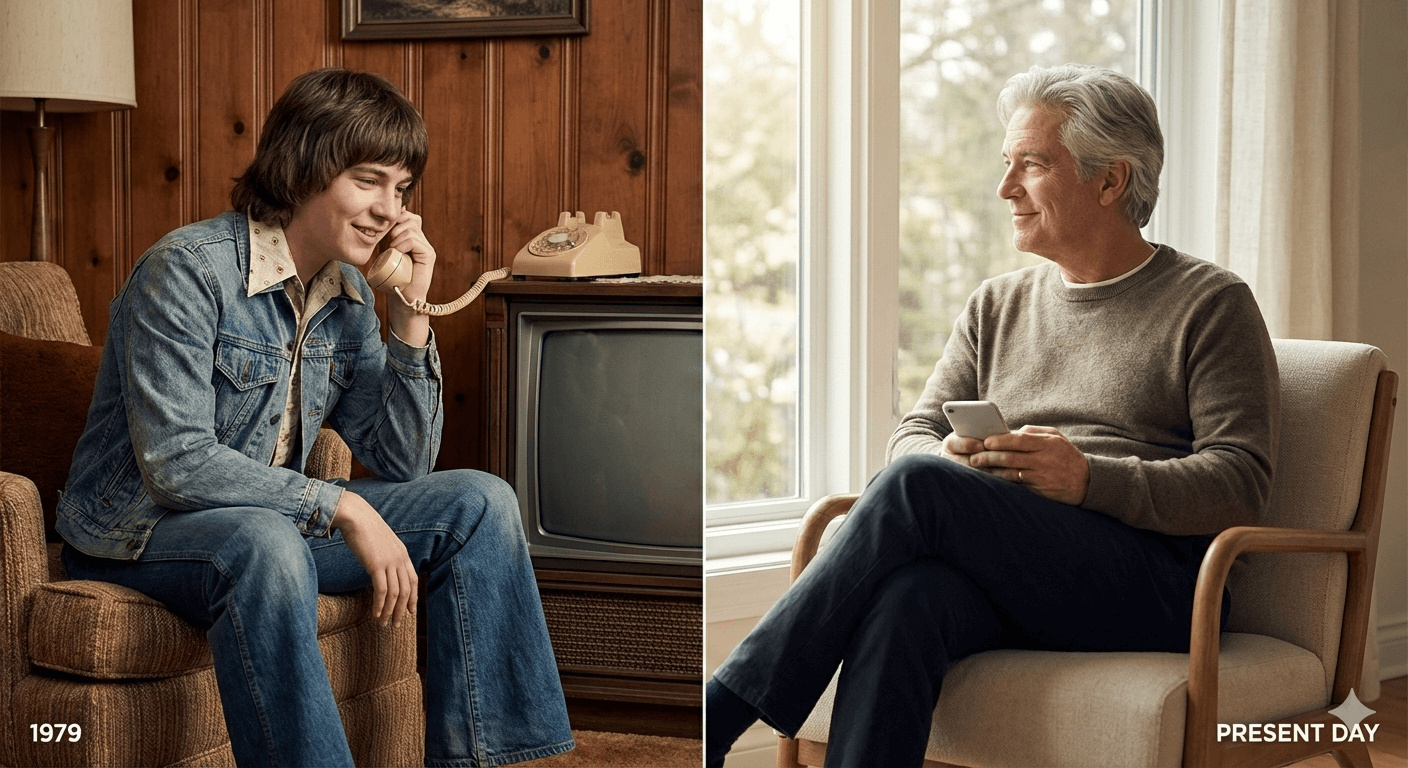
    If you grew up in a world of rabbit-ear antennas, rotary phones, and “We’ll be right back after these messages,” you’ve already lived through a lot of change. You’ve watched medicine leap from glass thermometers and paper charts to telehealth and electronic records. But one thing hasn’t changed: every fall and winter, the flu comes back around, just like clockwork. So, is the senior flu shot worth it?

    The difference now is what’s at stake.

    For adults 65 and older, flu season isn’t just a nuisance or a few days on the couch. It can mean pneumonia, weeks of recovery, a stay in the hospital, or worse. In recent seasons, people 65+ have made up about 70–85% of all flu-related deaths and 50–70% of flu-related hospitalizations in the U.S. So, is the senior flu shot worth it?

    That’s why today’s flu vaccines, especially the special “senior” versions, are so important.

    • Flu hits seniors hardest. Older adults account for most flu-related hospitalizations and deaths each year.
    • Your immune system changes with age. That’s why there are special high-dose and adjuvanted flu shots made specifically for people 65+ to give your immune system an extra boost.
    • CDC and experts still strongly recommend vaccination for everyone 6 months and older, especially older adults, for the 2025–26 season, even with new strains vaccination still helps reduce severe illness and hospitalizations.
    • Best timing: Aim to get your flu shot in mid-September or October, but “later” is still better than “never” as long as flu is circulating.
    • Cost: For most seniors, especially those on Medicare, flu shots are fully covered with no out-of-pocket cost.
    • Bottom line: Getting a flu shot each year is one of the simplest, most powerful ways to protect your health, stay out of the hospital, and keep enjoying the life you’ve built.

    Why the Flu Is a Bigger Deal After 65

    Think back to the days when you could bounce back from a bad cold in a weekend and still go out Saturday night. Our immune systems used to be like new cassette tapes—crisp, responsive, and ready for whatever you recorded onto them.

    With age, that “tape” gets worn. The immune system doesn’t respond as quickly or as strongly as it once did. Doctors even have a name for it—immune senescence—which simply means your body has a harder time fighting off infections and bouncing back from them.

    Because of this:

    • Adults 65 and older are more likely to develop serious flu complications, such as pneumonia, worsening of heart or lung disease, and hospitalization.
    • Each flu season, older adults account for the majority of flu-related hospital stays and deaths nationwide.

    This isn’t about being “frail” or “weak.” It’s about biology. Even healthy, active older adults have immune systems that simply don’t fire the way they did at 25 or 35.

    That’s where the flu vaccine comes in.
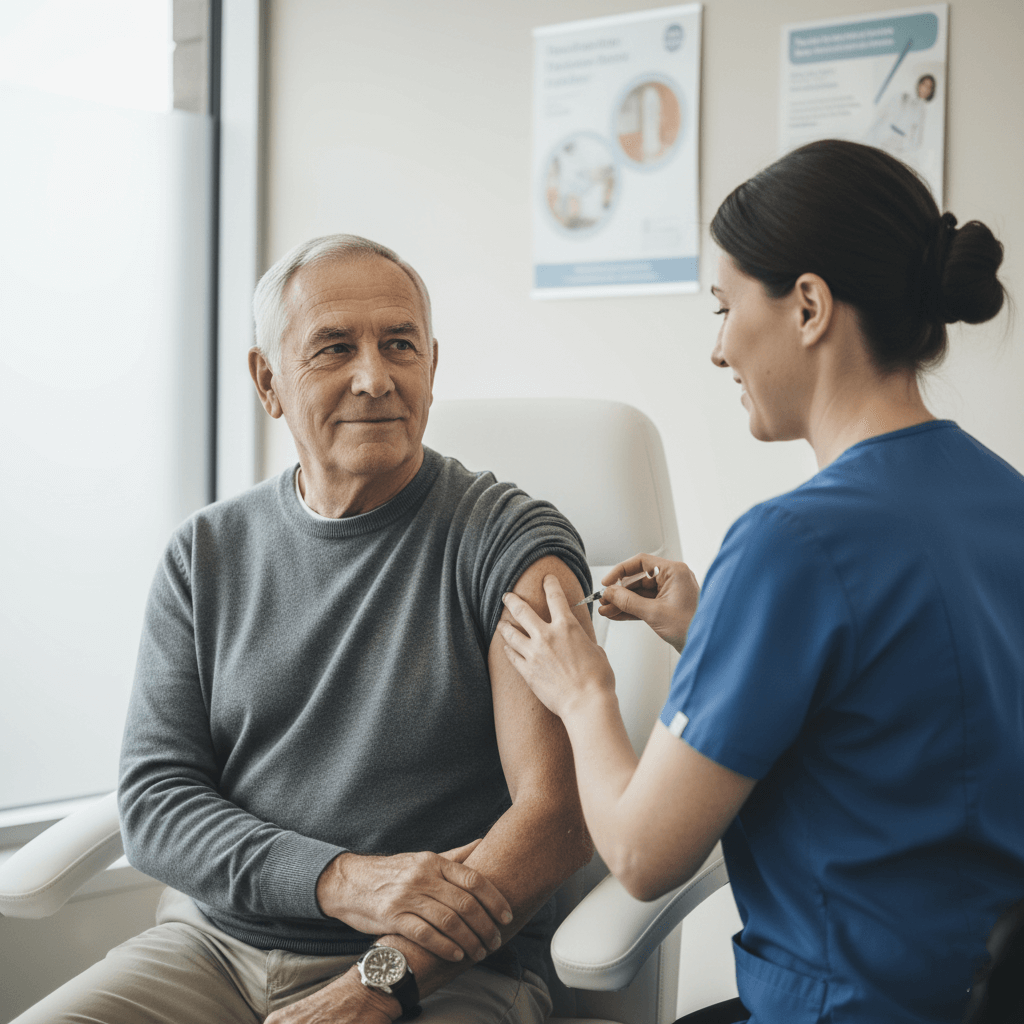
    Senior Flu Shot

    The “Senior” Flu Shot: Not Just a Regular Shot

    If you’re 65 or older, the CDC and its vaccine advisory committee (ACIP) now preferentially recommend special flu vaccines designed just for you:

    • Fluzone High-Dose (high-dose inactivated vaccine)
    • Flublok (recombinant vaccine)
    • Fluad (adjuvanted vaccine)

    These are often called “enhanced” or “senior” flu shots. What makes them different?

    • More antigen: High-dose vaccines contain about 4 times the amount of antigen (the part of the vaccine that teaches your immune system what to fight) compared with a standard flu shot.
    • Adjuvants: Ingredients added to help your immune system respond more strongly to the vaccine, particularly helpful when your immune system has slowed with age.

    In plain language: these vaccines are like turning up the volume on your immune system so it hears the message loud and clear.

    Studies show that these higher-dose or adjuvanted vaccines are more effective than standard-dose flu shots at preventing flu and flu-related complications among older adults.

    And importantly, if you can’t get one of these enhanced vaccines, health officials say you should still get any age-appropriate flu shot rather than skip it entirely. Some protection is always better than none.

    “But I Heard the Vaccine Isn’t Perfect…”

    You’re right—it’s not. And it never has been.

    Remember TV antennas and fiddling with the “fine tuning” knob to get the picture just right?

    Flu vaccines work a bit like

    • The match between the vaccine and circulating viruses is stronger.
    • Other years the virus has changed more than expected, so protection against infection may be lower.

    Even so, experts keep repeating one key point:

    “Even in seasons when vaccine effectiveness is lower, the vaccine still provides some protection and is the best thing you can do to reduce your risk of severe illness.”

    In other words, the picture may not be perfect, but it’s still better than no protection. Even in “mismatch” years, flu vaccines have been shown to:

    • Lower your chance of being hospitalized for flu.
    • Reduce the severity of your illness if you do get sick.
    • Shorten the length of illness, getting you back on your feet sooner.

    Especially for older adults, that can be the difference between recovering at home and spending days or weeks in a hospital bed.

    Flu Season Protection

    When Should Seniors Get Their Flu Shot?

    Think of the flu season like a long road trip from October to May, with the heaviest traffic between November and March. You want your protection “on board” before that heavy traffic hits. Health experts recommend:

    • Best window: Mid-September through October for older adults.
    • Why not August? Immunity fades over time, especially in older adults, so getting vaccinated too early can mean your protection is weaker by late winter.
    • Is it too late after October? No. CDC and senior advocates emphasize that getting vaccinated later; November, December, even into the new year, still offers protection as long as flu is circulating. Flu season often lasts into April or May.

    If you grew up timing everything around the network TV schedule (“Don’t call, Dallas is on!”), think of mid-September to October as prime time for scheduling your shot. But if you miss that “episode,” catch the rerun—just get it done.

    What About Side Effects?

    Older adults often worry, “Will the high-dose vaccine knock me out?” Most people experience only mild, short-lived side effects, such as:

    • Soreness, redness, or swelling where the shot was given
    • Mild fatigue
    • Low-grade fever or body aches

    Doctors describe these as signs that your immune system is doing its job, like the hum of a well-worn record player warming up. Of course, you should call your healthcare provider or seek immediate care if you ever experience:

    • Trouble breathing
    • Swelling of the face or throat
    • A rapidly spreading rash or hives
    • Feeling faint or very unwell

    Severe allergic reactions are rare, but they need quick attention. If you’ve had a serious reaction to a flu shot or vaccine ingredient in the past, talk with your provider about which option is safest for you.

    Cost and Coverage: One Less Thing to Worry About

    Here’s some good financial news (and who doesn’t like that?):

    • Medicare Part B covers one flu shot per season, and that includes the high-dose or adjuvanted vaccines recommended for older adults—with no out-of-pocket cost, as long as your provider accepts assignment.
    • Many private insurance plans and Medicaid programs also cover the flu shot at 100% when you use in-network providers.

    That means the biggest investment is usually a short trip to your doctor’s office, local pharmacy, or community clinic—not your wallet.

    Flu Shots, COVID Boosters, and Pneumonia Vaccines

    For most of your life, you probably thought of “the flu shot” as a once-a-year to-do item. These days, it’s part of a bigger picture. Health experts now encourage older adults to think in terms of layered protection:

    • Flu vaccine every year
    • Up-to-date COVID boosters, as recommended by the CDC
    • Pneumococcal (pneumonia) vaccines, which help protect against serious bacterial infections that often strike after a viral illness like the flu

    In many cases, you can safely receive your flu shot and COVID booster at the same visit, one in each arm or spaced slightly apart in the same arm. Always check with your doctor or pharmacist if you have concerns, but for most people, it’s a convenient way to get “double protection” in one appointment.
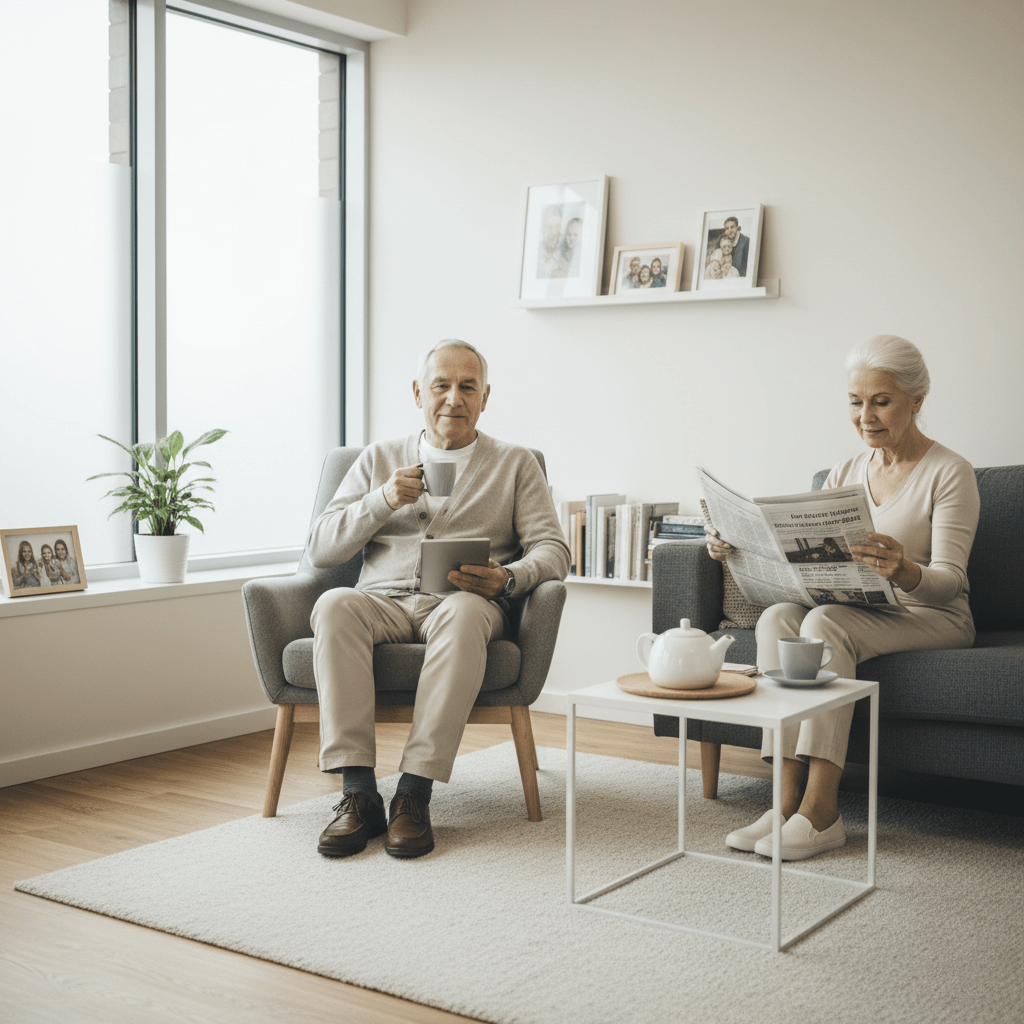
    Remaining at Home, Remaining Independent

    Everyday Habits Still Matter

    No vaccine is a magic shield. The everyday habits your parents and teachers drilled into you still help:

    • Wash your hands regularly.
    • Cover coughs and sneezes.
    • Stay home when you’re sick.
    • Open windows or use air filters when possible for better indoor air.

    And if you do come down with flu-like symptoms such as fever, cough, body aches, then call your doctor right away, especially if you’re 65+ or have heart, lung, kidney, or immune issues. Antiviral medications work best when started early and can lower the risk of serious complications.

    A Simple Shot, a Big Difference

    You’ve already done the hard things in life, raising families, building careers, serving your country, caring for aging parents, navigating transitions from typewriters to tablets. Compared to all of that, rolling up your sleeve once a year is a small step with a big payoff.

    • It helps protect you from severe illness and hospital stays.
    • It helps protect your spouse, friends, grandchildren, and community.
    • It helps you stay independent and keep enjoying the life you’ve worked so hard to build.

    If you or someone you love is 65 or older, talk with your doctor or pharmacist about getting a high-dose, recombinant, or adjuvanted flu shot this season as soon as possible.

    If you or your loved one could benefit from compassionate, reliable in-home care—whether during flu season or all year long, reach out to Happy Mountain Home Care.

    📞 Call 954-654-8186
    🌐 Or visit www.happymtn.com

    Our team is here to help you stay safer, more comfortable, and more independent, right at home.
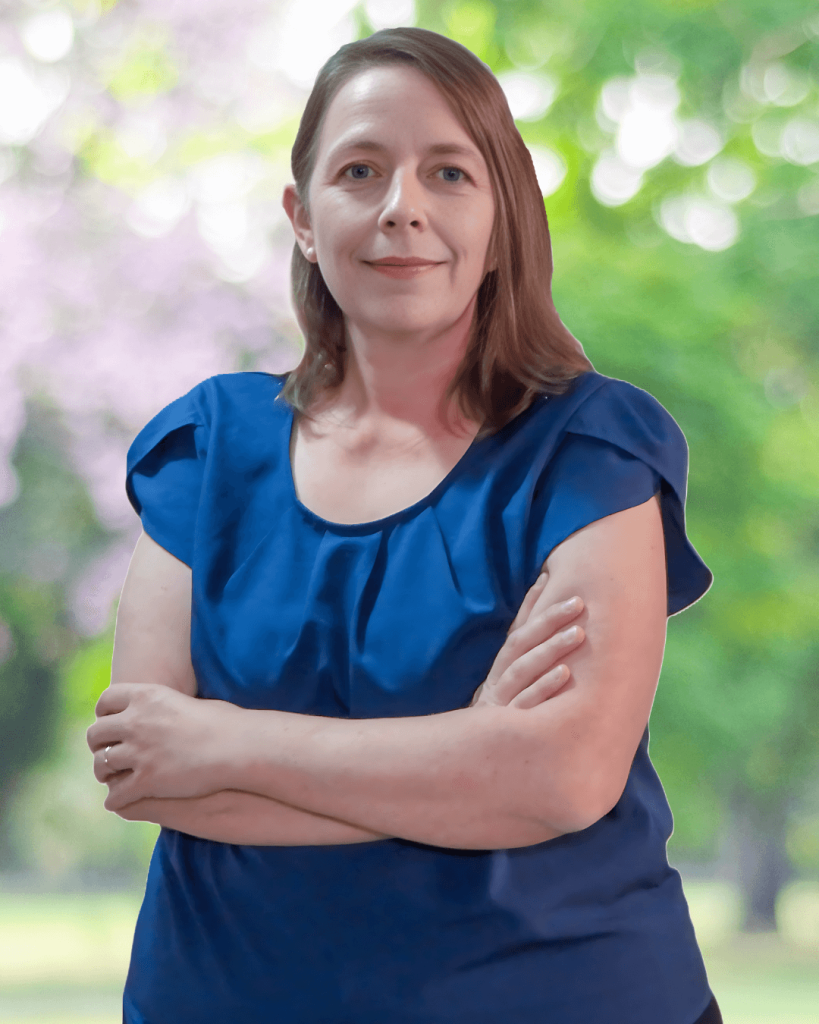
    Happy Mountain Home Care Administrator Samantha Montealegre

    Dr. Samantha Montealegre, DNP, PMHNP-BC, is a Board-Certified Psychiatric Mental Health Nurse Practitioner with over 15 years of experience in direct patient care. She brings extensive expertise in family-centered care, ensuring that every client receives compassionate, reliable, and personalized support to enhance their well-being and independence.

  • Happy Mountain Home Care Champions Seniors Locally and Nationally

    Happy Mountain Home Care Champions Seniors Locally and Nationally

    Erick Montealegre, owner of Happy Mountain Home Care, is on a mission to ensure seniors are cared for both in his South Florida community and across the nation. Recently, Erick took his advocacy to Washington, D.C., testifying before the U.S. Senate Special Committee on Aging to urge the reauthorization of the Older Americans Act (OAA), a vital law that funds services like Meals on Wheels, adult day care, respite for caregivers, transportation, and other supports that help older adults live with dignity at home. With a heartfelt personal story and a passion for dementia care, he highlighted how programs funded by OAA made a “world of difference” for his own family. Erick’s journey from local caregiver and business owner to national advocate exemplifies the heart-centered commitment behind Happy Mountain Home Care’s work.

    Advocating for Seniors on the National Stage

    On November 5, 2025, Erick brought a local caregiver’s voice to Capitol Hill. In a Senate Aging Committee hearing titled “Renewing Our Commitment: How the Older Americans Act Uplifts Families Living with Aging-Related Diseases,” he spoke alongside other advocates to shine a light on the needs of families dealing with Alzheimer’s and Parkinson’s. He proudly represented Florida’s seniors and caregivers, even bringing his own father to the hearing for inspiration. “This hearing is especially meaningful to me because it’s taking place in November, National Family Caregivers Month,” Erick noted.

    Testimonies before Senate Committee on Aging

    During his testimony, Erick described caregiving in deeply emotional, human terms. “Caregiving, as many of us here know, is emotionally taxing, physically demanding, financially challenging and a full-time responsibility,” he said. He then shared that with support from his local Area Agency on Aging, his family accessed services under the Older Americans Act that “made a world of difference to [his dad’s] quality of life”.

    Erick used his family’s story to deliver a broader message: the programs OAA supports are lifelines for millions of Americans. He stressed that renewing the Older Americans Act isn’t just about policy, it’s about upholding our duty to seniors. “Reauthorizing and strengthening the Older Americans Act is an investment in families, dignity and community,” he testified, “Its programs provide families like ours with structure, valuable resources, support and hope. Hope that my siblings and I can give Dad the best care possible while balancing our own lives. And hope that, as our country ages, no family will have to walk this journey alone.”. These powerful words drew nods from senators on both sides of the aisle, underlining a shared, bipartisan commitment to helping seniors. (Indeed, the committee’s chairman, Sen. Rick Scott of Florida, noted that “Every service made possible by this law represents compassion made real”.

    Senator Rick Scott

    The Older Americans Act, last reauthorized in 2020, has lapsed and is up for renewal by Congress. Erick’s advocacy came at a crucial time. By speaking up in Washington, he helped put a personal face on the importance of reauthorizing OAA so that funding for senior programs continues without interruption. For those interested in the complete discussion, the full Senate hearing is available to watch online (view hearing video).

    A Personal Journey Fuels a Mission

    Erick’s passion for senior care is deeply rooted in his own family experience. As one of four adult children caring for his father, who lives with mild cognitive impairment, Erick knows firsthand the challenges families face. “I speak to you first and foremost as a son,” he told the Senate panel, emphasizing that his advocacy comes from love and responsibility toward the man who raised him. Five years ago, when his dad’s memory issues emerged, the family rallied to support him . Learning by trial and error how to keep him safe, healthy, and connected to his community.

    For Erick and his siblings, OAA-supported services have been a godsend. The support their father receives through the OAA gives them peace of mind and a chance to focus on their own families and jobs without constant worry. “It has allowed me to step back from being a ‘care manager’ and freed me to spend time with him as his son,” Erick said gratefully. Experiences like these fuel his determination to ensure no family has to walk that journey alone, which is why he is such a strong proponent of strengthening programs for seniors and caregivers. In Erick’s own words, caring for our elders is “part of who we are,” a value he hopes to pass down: “I hope my children see that example and carry it forward.”

    A Caring Local Authority in Dementia Care

    Back home in Broward County, Happy Mountain Home Care is making a name as a trusted, caring authority in dementia care and senior support. As a small business owner in the senior care field, Erick wears many hats, advocate, entrepreneur, and community educator. He is a longtime volunteer with the Alzheimer’s Association, helping raise awareness and educate families about dementia, and even previously served as a certified ombudsman in Florida’s Long-Term Care Ombudsman Program, where he advocated for the rights of nursing home residents. This blend of professional expertise and advocacy background positions Happy Mountain Home Care as more than just a service provider; it’s a leader and voice for seniors in the community.

    Beyond compassionate care, reliability is a hallmark of Happy Mountain Home Care. Erick understands that consistency and trust are everything when it comes to caring for vulnerable seniors. To that end, his team has implemented a unique Overlapping Reliability Model, meaning if a scheduled caregiver is ever sick or unavailable, a Client Services Supervisor or Manager steps in immediately to provide coverage and ensure uninterrupted care. This built-in redundancy is rare in the industry, and it gives families an extra layer of peace of mind. Happy Mountain Home Care prides itself on unmatched reliability; clients know that someone will always be there when help is needed, without exception. It’s one more way the agency strives to support not just the senior, but the family as a whole, alleviating the worry of caregiving gaps.

    Heart-Centered Care and Advocacy

    As Happy Mountain Home Care continues to serve the local community, it carries forward this advocacy-driven, heart-centered approach. Every client visit, every dementia care plan, every extra mile driven by a caregiver reflects the same core belief that guided Erick’s words in Washington: seniors deserve our very best. With that guiding principle, Happy Mountain Home Care is proud to be both a local resource and a leading voice, working tirelessly to uplift seniors and the families who love them, in South Florida and beyond.

    Senators Rick Scott and Kirsten Gillibrand

    For More Information: You can watch the full U.S. Senate Aging Committee hearing on OAA reauthorization, including Erick ‘s testimony, on the committee’s website. To learn about Happy Mountain Home Care’s dementia care services in Broward County, or to seek support for an aging loved one, please visit happymtnhomecare.com or call (954) 654-8186.

    Happy Mountain Home Care Administrator Samantha Montealegre

    Dr. Samantha Montealegre, DNP, PMHNP-BC, is a Board-Certified Psychiatric Mental Health Nurse Practitioner with over 15 years of experience in direct patient care. She brings extensive expertise in family-centered care, ensuring that every client receives compassionate, reliable, and personalized support to enhance their well-being and independence.

  • Can Having a Pet Help Memory?

    Can Having a Pet Help Memory?

    If you ever flipped a cassette with a pencil or blew dust out of a Nintendo cartridge, you know that memory isn’t just what’s stored. It’s also what’s retrieved. For many Gen X and Boomer adults, our most reliable “retrieval cue” has four legs and a tail. A dog that expects the 6 a.m. walk, a cat that appears at the exact sound of a can opener. These rituals mark time, nudge us into motion, and anchor the day. It’s fair to ask: are pets good for memory?

    Multiple studies, especially a large, 18-year European study, suggest pet ownership is associated with slower cognitive decline in later life. Dogs are linked to better memory (immediate and delayed recall), and cats to better verbal fluency.

    What the strongest evidence shows

    A 2025 paper in Scientific Reports followed more than 16,000 adults (50–99) across 18 years in the SHARE study. Researchers found that pet ownership was associated with a slower decline in cognitive scores over time. The most eye-catching detail: species mattered. Dog owners tended to hold on to episodic memory like the ability to learn and recall word lists. Cat owners showed a gentler slope in verbal fluency such as naming as many animals as possible in a minute. Birds and fish didn’t show a reliable benefit. Notably, these associations looked similar across age bands (younger vs. older seniors), suggesting the link isn’t confined to any single slice of later life.

    Those patterns echo a common-sense story many of us already experience. Dogs often mean regular walks, schedules, and chats with neighbors; cats provide mentally engaging, socially meaningful companionship at home. Both create routines and predictable cues that help the brain organize, retrieve, and reinforce information.

    Memory isn’t isolated, dogs and cats seem to support different cognitive strengths

    Memory (especially episodic memory) and verbal fluency are key parts of cognition that age differently. The SHARE analysis suggests dogs may align more with memory maintenance, while cats might align with language-related skills. Why would that be?

    • With dogs: Regular physical activity, even a brisk 15-minute loop, supports blood flow, sleep quality, and neuroplasticity, all relevant to memory. Social micro-interactions (“morning,” “great leash!”) add positive mood and mental stimulation.
    • With cats: Interactions can be cognitively demanding in a different way such as reading subtle signals, anticipating preferences, and engaging in short, focused play sessions. A lab study using near-infrared spectroscopy showed that cat interactions activate the prefrontal cortex, particularly the inferior frontal gyrus, a region involved in language and social cognition.
    Simple two-panel graphic: dog icon with memory cue on left, cat icon with speech/letters on right, summarizing species-specific cognitive links.

    Importantly, birds and fish didn’t show the same long-term pattern in SHARE. One proposed reason is that they often involve less reciprocal interaction or may even disturb sleep (e.g., birds), which can undermine memory. The point isn’t that these pets aren’t wonderful, they often bring joy, but that not all pet routines deliver the same cognitive “engagement.”

    What about dementia risk?

    A large Japanese study took things a step further, looking at incident disabling dementia over about four years. Dog ownership was linked to a lower risk of developing disabling dementia, while cat ownership showed no association. Crucially, the lowest risks were among dog owners who exercised regularly and were not socially isolated, two lifestyle levers we can control, with or without pets. Think of the dog as a compliance partner: you may skip a solo walk, but your dog won’t let you forget.

    Older adult walking a dog at sunrise on a quiet neighborhood path, looking relaxed and focused.

    Brain scans add another layer

    Cross-sectional MRI work offers clues about mechanisms. In one study, adult pet owners, especially dog owners, performed better on processing speed, attentional orienting, and story memory, and showed larger volumes in brain networks that support attention, emotion, and internal mentation. Using a model-based “BrainAGE” metric, owners’ brains looked up to ~15 years younger on average. This isn’t proof that pets rewind clocks, but it’s consistent with the idea that the daily structure and engagement pets foster may keep brain networks more robust.

    Living alone, living longer—and where pets fit

    One repeated finding is that benefits can be strongest for people who live alone. A major UK analysis suggested pet ownership slowed cognitive decline primarily among older adults living alone, a group at higher risk for both loneliness and dementia. If you remember programming the VCR clock solo back in the day, you know that doing life’s logistics alone is different; pets add structure, companionship, and purpose that help counteract the risks of solitary living.

    Older adult completing a crossword while a calm cat rests a paw near the page at a sunny kitchen table.

    A quick detour on causality (and why it matters)

    Correlation isn’t causation; healthier or wealthier people might be more likely to own pets in the first place. The findings are promising but mixed, and we need more research to tease apart what’s causing what. That said, multiple lines of evidence strengthen confidence that pets can contribute to a brain-healthy lifestyle.

    Practical takeaways for Gen X & Boomers

    Think of pets as habit multipliers—small, consistent nudges that stack up over months and years. If memory is your focus, start with routines that plug straight into what research suggests helps:

    • Move with purpose:
      • If you have a dog, build a daily walk you can keep (rain plan included: indoor hall laps, mall walking, or backyard fetch circuits).
      • No dog? Borrow one, foster short-term or volunteer with a shelter to get the same cue-based activity.
    • Make the interaction cognitively rich:
      • Dogs: short training refreshers (sit, stay, “find it,” new routes that require navigation).
      • Cats: interactive play (wand toys), simple training (targeting, high-five), and puzzle feeders all draw on anticipation and language-adjacent planning that align with verbal fluency networks.
    • Guard your sleep:
      • If a bird’s dawn chorus or a fish tank’s hum is wrecking sleep, rethink setup. Quality sleep drives memory consolidation.
    • Leverage social micro-moments:
      • Dog-park greetings and sidewalk chats add up to social stimulation, an already known buffer for decline.
    • If you live alone:
      • Pets can scaffold routine, purpose, and mood. If full-time ownership is too much, explore “Seniors-for-Seniors” adoption discounts, fostering, or pet-sitting arrangements.
    • Know your limits:
      • A pet should fit your life, not overload it. The ADDF review emphasizes matching species, and care demands to your capacity. That’s how you can capture benefits without burnout.

    What this means for “memory maintenance” in the real world

    If you remember carrying quarters for the payphone or the thrill of your first email address, you’re already living proof that memory thrives on meaningful cues and repetition. Pets supply both. Every leash grab, food scoop, or laser-pointer session is a cue that calls up a script. Over time, those scripts reinforce attention, planning, and retrieval, the same mental muscles we use to remember appointments, names, and story details.

    The big studies won’t tell you which brand of kibble to buy, but they do suggest the shape of a memory-friendly day:

    • Movement anchored by a creature you love
    • Brief, engaging challenges (training, play, puzzles)
    • Predictable cues at consistent times
    • Human contact, even in tiny doses, with people you see because of that pet

    Bottom line

    The best available evidence links pet ownership with slower cognitive decline, with dogs leaning toward memory benefits and cats toward verbal fluency. A Japanese study connects dog ownership, especially when paired with exercise and social connection, to lower dementia risk. Cross-sectional brain work shows patterns consistent with stronger attention and memory networks among owners. None of this proves pets are memory medicine. But for many Gen Xers and Boomers, pets may be one of the most pleasant, sustainable, and socially meaningful ways to keep the brain’s “record button” active.

    If you or someone you love could benefit from reliable help building the daily routines that support memory, safe walks, medication reminders, nutritious meals, and friendly companionship then Happy Mountain Home Care is here to help. Call 954-654-8186 or visit www.happymtn.com to schedule a compassionate, no-pressure conversation about options that fit your life.

    Happy Mountain Home Care Administrator Samantha Montealegre

    Dr. Samantha Montealegre, DNP, PMHNP-BC, is a Board-Certified Psychiatric Mental Health Nurse Practitioner with over 15 years of experience in direct patient care. She brings extensive expertise in family-centered care, ensuring that every client receives compassionate, reliable, and personalized support to enhance their well-being and independence.

  • Falls Prevention Awareness Week (Sept 22–26): A Practical Guide That Works

    Falls Prevention Awareness Week (Sept 22–26): A Practical Guide That Works

    If you grew up adjusting rabbit-ear antennas or remember the thunk of a VCR tape snapping into place, you already understand something essential about safety: small, steady fixes prevent big problems. That same wisdom applies to preventing falls which are still one of the most common, costly, and preventable threats to independence as we age. This year’s Falls Prevention Awareness Week (FPAW) runs September 22–26, a nationwide push to help older adults (and the families who love them) stay strong, confident, and safe at home.
    (National Council on Aging)

    Falls are the leading cause of injury and injury-related death for adults 65+—but they’re not inevitable. Simple steps such as strength and balance exercise, talking with your doctor, reviewing medications, vision/hearing checks, making the home safer, and engaging family all dramatically reduce risk. Use FPAW (Sept 22–26) as your annual tune-up: take the Falls Free® CheckUp, make one home fix, and schedule one health appointment. Then share what you’ve learned with a friend.

    Why falls deserve your attention (and not your fear)

    If you’re a Gen Xer or a younger Boomer, you may be caring for aging parents while juggling your own health goals. Here’s the reality: falls are the leading cause of injury and injury-related death for Americans 65+, and about 1 in 4 older adults reports a fall each year. Emergency departments record nearly 3 million visits annually due to older adult falls. Those are big numbers, but they point to the need for straightforward solutions, not panic.

    Leading causes of injury for those 65 and older

    And if you’ve heard the “it’s just part of getting older” myth, that’s just not true. Many risk factors, including muscle weakness, unsafe footwear, poor lighting, medication side effects, and uncorrected vision or hearing, are modifiable. Think of fall prevention like maintaining your favorite 1980s car: regular checkups, a few repairs, and a commitment to keep it running smoothly, is all it takes.

    Fall Prevention Awareness week at a glance:
    September 22–26

    Every year, NCOA (National Council on Aging) and the Falls Free® Initiative convene FPAW to mobilize community partners, health systems, senior centers, and families. The goal is simple: make fall prevention a normal, repeatable habit, just like changing batteries in smoke detectors. Expect local events, screenings, classes, and shareable resources you can use at home or with loved ones.
    (National Council on Aging)

    Treat this week as your annual “fall safety tune-up.” Here’s a simple five-day framework:

    • Mon (9/22): Take the Falls Free® CheckUp (13 quick questions) to spot your personal risks. (National Council on Aging)
    • Tue (9/23): Call your primary care office or pharmacist to request a medication review and fall-risk assessment.
    • Wed (9/24): Do a 15-minute home safety sweep (lighting, clutter, rugs, bathrooms).
    • Thu (9/25): Commit to an evidence-based strength and balance class; invite a friend to go with you.
    • Fri (9/26): Schedule annual vision and hearing checks if it’s been more than a year—and share your plan with family.

    “Six Steps” that work to reduce falls

    NCOA distills fall prevention into six practical actions. None require fancy equipment or a gym membership, and you don’t need to do them all at once.

    Group of senior women exercising indoors
    1. Find a balance and strength program
      Classes like Tai Chi or “A Matter of Balance” build leg strength, core stability, and confidence. Training your balance is like tuning a guitar: small adjustments make a big difference in performance. Local senior centers and Area Agencies on Aging can point you to programs, many offered at little to no cost.
    2. Talk to your health care provider
      Don’t be shy: many older adults never mention a fall or fear of falling to their doctor. Make it a headline topic. Ask for a fall-risk assessment and, if needed, a referral to physical or occupational therapists. Bring a list of medications and any symptoms like dizziness or numbness.
    3. Review your medications
      Some prescriptions and over-the-counter drugs can cause sleepiness, dizziness, or low blood pressure. Ask your pharmacist or doctor to simplify your list, check for interactions, and assess whether the dose needs to be adjusted.
    4. Care for your vision and hearing
      Annual eye exams catch cataracts and update prescriptions; hearing checks reduce missteps, especially outdoors or on stairs. Tip: avoid wearing sunglasses indoors and be careful on stairs if you use bifocals. Good lighting, especially at night, is your friend.
    5. Make your home safer
      You don’t need a renovation to make a difference. Focus on:
      • Bright, non-glare lighting in halls and bathrooms
      • Securing or removing loose rugs
      • Clearing clutter and cords from walkways
      • Adding grab bars, a shower seat, and a handheld shower
      • Storing everyday items between waist and shoulder height
      • These small changes reduce trip hazards and conserve energy.
    6. Talk to family and friends
      Your independence grows when you keep your circle in the loop. Share your CheckUp results with friends and family, ask for help with errands after procedures, and set up a simple “I’m okay” check-in system. Many families find that sharing the plan actually reduces anxiety.

    Sensible wisdom for modern safety!

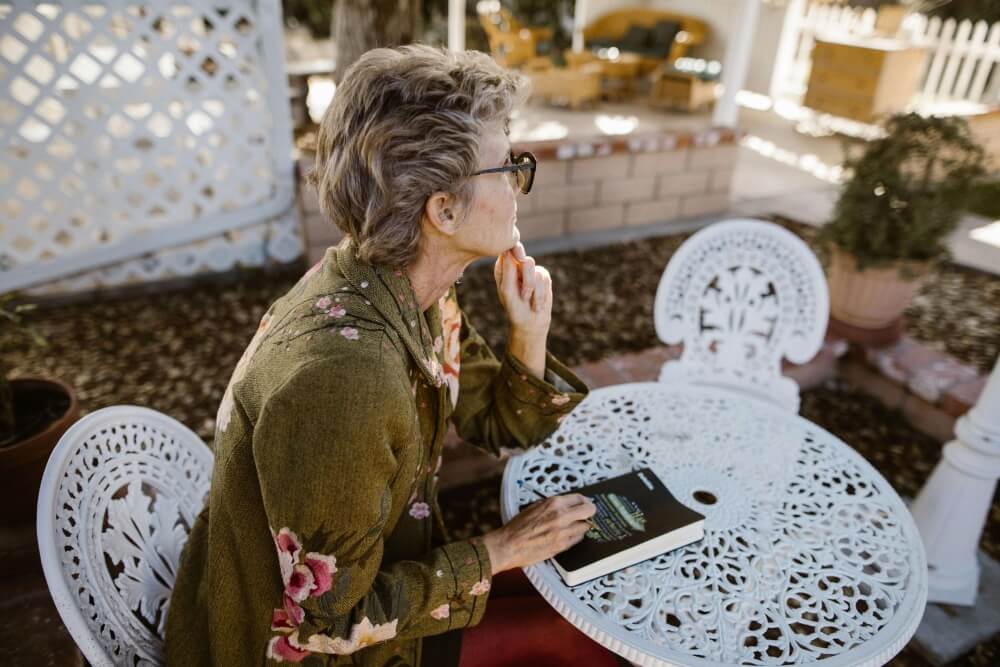
    Woman looking off into the distance contemplating what to do.
    • Test your “backup system.” Just as you kept extra AA batteries for a Walkman, have a plan for calling help: charged phone within reach, medical alert device if you live alone, or a daily check-in text with a family member.
    • Tune your “picture.” Adjusting TV antennas was all about clarity. For fall prevention, “clarity” means clear pathways, bright lighting, and updated eyeglasses.
    • Read the “owner’s manual.” We read manuals for electronics and camcorders; the “manual” now is your doctor’s advice and the Falls Free® CheckUp—quick directions tailored to you. (National Council on Aging)
    • Call a friend. You were more likely to stick with a jazzercise class when a neighbor joined. The same is true of Tai Chi or strength training, accountability drives consistency.

    Talk about falls without shame

    Fear of falling can lead to doing less, which weakens muscles and ironically increases fall risk. Conversations with your loved ones should centers on building confidence: “What will help you keep gardening, playing with grandkids, or traveling?” Respect your loved ones autonomy, and keep the focus on the goals, aging at home, staying active, and enjoying life. NCOA’s public messaging and toolkits are designed to support positive, action-first conversation materials you can share with loved ones, church groups, or neighborhood associations.(National Council on Aging)

    Steps to take today (and share with others)

    • Take the 13-question Falls Free® CheckUp. It’s private, quick, and gives you a personal risk score with next steps. Share it with a parent, spouse, or friend. (National Council on Aging)
    • Make one home change. Replace two dim bulbs with brighter ones, add a nightlight, or remove a throw rug you’ve been stepping over for years.
    • Call your pharmacy. Ask for a medication review focusing on dizziness, sleepiness, and interactions. Bring that list to your next doctor’s visit.
    • Pick a class. Look up one local balance/strength program—community centers, PT clinics, and senior organizations often host evidence-based courses. Invite someone to go with you.
    • Schedule vision and hearing checks. If it’s been over a year, put them on the calendar now.

    Frequently asked questions (straight talk)

    “I fell once, but I’m fine, should I still tell my doctor?”
    Yes. Even “minor” falls can signal medication issues, low blood pressure, or vision changes. A quick assessment can prevent the next one.

    “Will grab bars look institutional.”
    Modern options blend with your décor and provide real security. Think of them like seatbelts, the quiet heroes in the background.

    “I already use a cane. Is that enough?”
    A properly fitted cane or walker helps, but it’s only one piece. Exercise, vision/hearing care, home fixes, and medication review work together.

    “How common, and how serious, are falls, really?”
    Common enough that over 14 million older adults report a fall annually, and serious enough to drive millions of ER visits and tens of thousands of deaths each year. The good news: prevention works.

    The big picture, and your role in it

    FPAW isn’t just a calendar event; it’s a reminder that aging well is a team sport. Communities across the country, health systems, senior centers, faith groups, libraries, and families use this week to share tools, host events, and celebrate independence. If your parents once taught you to ride a bike or balanced the family budget with a pencil and paper, consider this your turn to pay it forward: help them take the CheckUp, brighten their hallways, and find a class they’ll enjoy.

    Group of people all being active in front of the sunset

    The most important number to know

    Public health data can be sobering. In recent CDC reporting, older-adult fall deaths and injuries remain high, underscoring the importance of prevention. But the most important number is one: one action you take today, one conversation with a loved one, one lightbulb changed, one class attended. That’s how momentum builds.

    Final thoughts:

    The same persistence that kept your households running in the ’70s, ’80s, and ’90s translates perfectly to fall prevention. No drama. No shame. Just practical steps, repeated regularly, and shared with the people who matter.

    If you or someone you love could use extra support staying safe at home during Falls Prevention Awareness Week—or anytime—Happy Mountain Home Care is here to help.

    Call 954-654-8186 or visit www.happymtn.com for compassionate, reliable in-home assistance tailored to your goals.

    Happy Mountain Home Care Administrator Samantha Montealegre

    Dr. Samantha Montealegre, DNP, PMHNP-BC, is a Board-Certified Psychiatric Mental Health Nurse Practitioner with over 15 years of experience in direct patient care. She brings extensive expertise in family-centered care, ensuring that every client receives compassionate, reliable, and personalized support to enhance their well-being and independence.
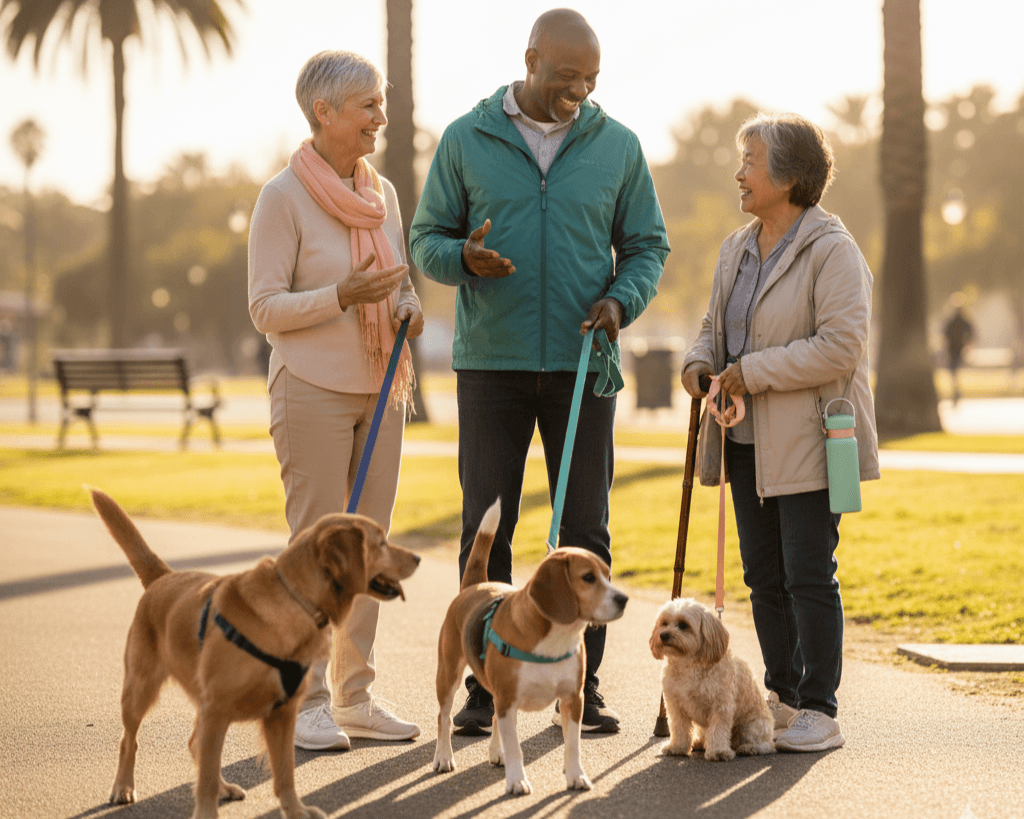
  • September Is Healthy Aging Month: 
It’s The Perfect Time to Reinvent Yourself

    September Is Healthy Aging Month: It’s The Perfect Time to Reinvent Yourself

    Remember the excitement of September when you were younger? The new school supplies, the crisp smell of freshly sharpened pencils, the feeling of starting over with a clean slate. For many Gen Xers and Boomers, September carried the promise of renewal. Today, that same spirit of reinvention is alive in Healthy Aging Month, observed every September.

    Healthy Aging Month is a celebration of possibility. It’s a reminder that whether you’re in your 50s, 60s, 70s, or beyond, you still have opportunities to thrive, grow, and write new chapters in your story.

    This annual observance, first introduced over 30 years ago, encourages adults to take proactive steps toward better health; physically, mentally, socially, and financially. And the message for 2025 is clear: “It’s never too late to reinvent yourself.”

    Why September?

    The choice of September isn’t random. The season evokes a back-to-school mindset; time to refresh routines, set new goals, and refocus on what matters. For Gen X and Boomers, it also stirs memories of important transitions: the start of a new grade, a new job, or even watching your own children begin their school journeys.
    This makes September the perfect month to reflect on how you want to age, not just gracefully, but actively and joyfully.

    Four Dimensions of Healthy Aging

    Healthy aging is not just about living longer; it’s about living better. Experts from the National Institute on Aging (NIA), the University of Arizona, and health departments across the country highlight four main pillars:

    1. Physical Health: Move with Purpose

    Seniors Walking with purpose

    The science is clear: staying active is one of the most powerful tools for healthy aging. It’s not about training for a marathon, it’s about consistency.

    • 150 minutes per week of moderate activity, like brisk walking or swimming, is the goal.
    • Muscle strength matters more than you think. Maintaining it helps prevent falls, supports independence, and is linked to longevity.
    • Even simple choices: gardening, parking farther away, or choosing the stairs, all -make a difference.

    Think back to when walking meant flipping through a cassette Walkman or heading to the mall with friends. Movement doesn’t have to be complicated or overly structured. It can be fun and just needs to be part of your life.

    2. Nutrition: Fuel for the Long Haul

    Strawberries, TastyFfood for Healthy Nutrition

    We’ve come a long way since TV dinners were all the rage in the 1970s. Research now emphasizes the importance of whole, nutrient-dense foods.

    • Mediterranean, DASH, and MIND diets, rich in vegetables, fruits, whole grains, and healthy fats are proven to support heart and brain health.
    • Portion control helps prevent weight gain and reduces risk for diabetes and heart disease.
    • Hydration is essential—most adults should aim for 10–16 cups of water daily depending on activity and climate.

    Healthy eating isn’t about deprivation. It’s about finding balance, enjoying fresh foods, and maybe even reimagining family recipes with healthier ingredients.

    3. Mental and Emotional Well-Being: Stay Sharp and Engaged

    Seniors playing chess for Mental stimulation.

    Healthy aging is as much about the mind as it is about the body.

    • Mental stimulation. Reading, puzzles, and learning new skills, all help keep your brain active. Remember how satisfying it was to master the VCR or first use email in the 1990s? That same sense of learning is still available to you.
    • Positive attitude matters. Studies show optimism is corelated to longer life and better health outcomes.
    • Sleep is crucial. Adults still need 7–9 hours per night, and poor sleep can affect memory, mood, and even increase dementia risk.

    Small changes, like setting a bedtime routine or revisiting an old hobby, can yield big results for emotional balance.

    4. Social and Financial Wellness: Connections and Confidence

    Aging well also means staying connected and feeling secure.

    Grouip is seniors sitting together showing social connection
    • Social connection reduces loneliness and protects cognitive health. Technology like Zoom or FaceTime can bridge distances, while volunteering or joining a class keeps you involved locally.
    • Financial planning supports peace of mind. Experts recommend saving at least 10% of income, reviewing Social Security benefits, and setting goals for retirement and legacy planning.

    For Boomers who grew up with rotary phones and for Gen Xers who remember the dawn of dial-up internet, technology can feel overwhelming. But the same curiosity that drove you to master those changes can help you embrace today’s tools for connection and security.

    Timeless Habits with Modern Impact

    Across all the resources, several timeless habits stand out as cornerstones of healthy aging:

    • Quit smoking: It’s never too late. Quitting in your 50s or 60s can still add years to your life.
    • Limit alcohol: Older bodies process alcohol differently, making moderation more important.
    • Preventive care: Routine checkups, dental visits, and vision exams catch issues early.
    • Stay proactive: Schedule screenings and follow up with your doctor about medications and supplements.

    These habits aren’t about restriction, they’re about empowerment. They help ensure the years ahead are defined by vitality, not limitation.

    Reinvention: More Than a Buzzword

    The 2025 theme “Never Too Late to Reinvent Yourself”, is more than just a slogan. Reinvention can take many forms:

    • Trying a new hobby like painting, writing, or dancing.
    • Exploring volunteer opportunities or mentoring younger generations.
    • Traveling (near or far) to spark curiosity.
    • Adopting technology to connect with family and friends.
    • Reframing retirement as a new phase of growth and contribution.

    For Gen X and Boomers, reinvention is familiar territory. You’ve already lived through cultural milestones: the moon landing, the rise of personal computers, MTV’s launch, and the shift from analog to digital. Reinvention is part of your DNA.

    Healthy Aging in Today’s World

    Healthy Aging Month is about reclaiming the narrative of aging. It’s not about decline, it’s about opportunity. As health agencies remind us, we can embrace this stage of life with energy and optimism.

    This perspective is especially important as we face modern challenges like social isolation, rising healthcare costs, and fast-changing technology. But with the right habits and mindset, aging can be a season of empowerment.

    Write Your Next Chapter

    Healthy Aging Month is your invitation to pause, reflect, and act. Whether it’s walking more, eating better, staying socially engaged, or tackling financial goals, every step is a chance to invest in your future self.

    As Gen Xers and Boomers, you’ve lived through remarkable change. You know how to adapt, reinvent, and keep moving forward. Healthy Aging Month is simply a reminder to bring that same resilience and curiosity into this chapter of life.

    If you or your loved ones are navigating the challenges of aging and could benefit from compassionate support at home, Happy Mountain Home Care is here to help.

    Happy Mountain Home Care Administrator Samantha Montealegre

    Dr. Samantha Montealegre, DNP, PMHNP-BC, is a Board-Certified Psychiatric Mental Health Nurse Practitioner with over 15 years of experience in direct patient care. She brings extensive expertise in family-centered care, ensuring that every client receives compassionate, reliable, and personalized support to enhance their well-being and independence.

  • Shingles & Your Heart: An Unexpected Win

    Shingles & Your Heart: An Unexpected Win

    Remember when you had to tap the side of the TV to fix the picture, or blow on a cassette tape to get your favorite song to play? Small actions made a big difference. Today, a similarly small action, rolling up your sleeve for the shingles vaccine, may do more than prevent a painful rash. New research suggests it could also lower your chances of a heart attack or stroke.

    That’s a big claim. Let’s break it down clearly, without hype, so you can make a confident, well-informed decision.

    Shingles 101 (and why hearts are part of the story)

    Shingles is a painful, blistering rash caused by the varicella-zoster virus. The same virus that gave us chickenpox back when school pictures had bowl cuts and corded phones ruled the kitchen. After you recover from chickenpox, the virus goes quiet in your nerve roots and can “wake up” decades later as shingles. That reactivation doesn’t just hurt; it can trigger inflammation in blood vessels (a condition doctors call “vasculopathy”), which may temporarily raise the risk of stroke or heart attack. Multiple studies over the past decade have linked recent shingles to a short-term bump in cardiovascular events, especially stroke.

    Heart Love, Photo by Marek Studzinski

    So the logic is simple: if shingles itself nudges cardiovascular risk upward for a time, then preventing shingles might reduce that risk. The key question has been: Does shingles vaccination actually translate into fewer heart attacks and strokes in the real world?

    New research is pointing in the positive direction

    A wave of recent analyses, spanning different countries and both shingles vaccines (the older live vaccine and today’s preferred Shingrix) all show a consistent association: people who get vaccinated have fewer major cardiovascular events than those who don’t.

    • Global meta-analysis (presented at the 2025 European Society of Cardiology Congress): Looking across 9 studies, researchers found that shingles vaccination was linked to an 18% lower risk of major cardiovascular events in adults 18+, and 16% lower among adults 50+. These are associations, not proof of cause and effect, but the signal is consistent and biologically plausible.
    • Large Korean cohort (published in European Heart Journal, 2025): Among 1.27 million adults who received the live shingles vaccine (no longer used in the U.S., but still informative), vaccination was associated with a 23% lower risk of a broad composite of cardiovascular outcomes. The benefit appeared to last up to eight years.
    • U.S. study of today’s vaccine (Shingrix) in Clinical Infectious Diseases, 2025: In adults 50+ who completed two doses of Shingrix, vaccination was associated with lower risks of heart attack and stroke compared with matched unvaccinated peers. (Translation: after adjusting for many differences between groups, vaccinated people had fewer events over time.)
    Heart Studies, Photo by Towfiqu Barbhuiya

    These studies used different methods and populations, but the story they tell is surprisingly consistent: shingles vaccination correlates with fewer heart and brain events.

    Important perspective: Most of these findings come from observational data. They’re strong signals—but they do not prove the vaccine directly prevents heart attacks or strokes the way a randomized trial designed for cardiovascular outcomes would. Researchers and clinicians are appropriately cautious about claiming causality.

    How does a shingles shot help our hearts and brains?

    If you grew up cleaning record-player needles, you know a tiny bit of grit can ruin the sound. In a similar way, shingles can “grit up” your system with inflammation. After shingles, studies show a short-term increase in stroke and heart attack risk, likely due to inflammation of blood vessels and changes in blood clotting. Preventing shingles prevents that inflammatory hit, and may therefore lower the odds of a vascular event in the weeks to months after an infection would have occurred.

    That’s the leading hypothesis behind the new data. We can’t declare cause and effect from observational research, but the biology lines up with what we know about shingles and vascular inflammation.

    What this all means for you

    When you hear “18% lower risk,” it’s natural to wonder, “Lower risk compared to what, and for whom?” Here’s a plain-English translation:

    • Relative risk vs. absolute risk: An 18% relative reduction means that among people similar to you, those who were vaccinated had about one-fifth fewer major cardiovascular events than those who weren’t, over the study follow-up. Your absolute benefit depends on your baseline risk (age, blood pressure, cholesterol, diabetes, smoking history, and so on). People with higher baseline risk may see a larger absolute benefit.
    • Consistency matters: Different datasets, countries, and vaccine types all pointed the same way. That consistency strengthens confidence that the signal is real, even if the exact size of the effect differs.
    • Not a substitute for heart care: The shingles vaccine is not a replacement for statins, blood pressure control, exercise, or stopping smoking. Think of it like putting surge protection on your home electronics in the ‘90s: smart, additive protection—not the whole system. (And unlike surge protectors, Shingrix also prevents a truly miserable rash.)

    Who should get vaccinated?

    Senior being looked after by caregiver

    In the United States, the CDC recommends shingles vaccination for all adults 50 and older (two doses, 2–6 months apart). Adults 19 and older who are immunocompromised should also receive it, and they may follow a shorter 1–2 month interval when appropriate. There is no maximum age. You can get a shingles vaccination even if you already had shingles or got the older vaccine years ago.

    Safety and side effects (what to expect)

    Most people experience temporary soreness in the arm, sometimes with fatigue, muscle aches, headache, or low-grade fever for a day or two. More noticeable after the second dose. Serious reactions are rare. Large post-marketing safety studies have not shown sustained increases in serious events compared with unvaccinated or previously vaccinated groups. If you’ve got a big event the next day, consider scheduling the shot with a little buffer, just like you once planned around a big presentation and a dial-up internet connection.

    Answers to common questions

    • “I already had shingles, do I still need the vaccine?”
      • Yes. Prior shingles doesn’t guarantee future protection. Shingrix can lower your chance of getting shingles again and reduce severe complications like postherpetic neuralgia.
    • “I have heart disease. Is the shingles vaccine for me?”
      • In general, yes, and keep must up with your cardiology plan. The new data suggest a potential additional cardiovascular benefit of vaccination, but it complements (doesn’t replace) your medications, healthy eating, physical activity, and blood pressure/cholesterol management. Talk with your doctor if you’ve recently had an acute event so they can time your doses well.
    • “What if I got the old shingles shot years ago?”
      • Zostavax (the older live vaccine) is no longer used in the U.S. If you had it, you can and generally should still get Shingrix for stronger, longer-lasting protection.
    • “Will my insurance cover it?”
      • Most plans, including Medicare Part D, cover shingles vaccination for eligible adults. Coverage can vary by plan and pharmacy, so it’s worth a quick call first. (Check your plan details.)

    Practical next steps (a simple, low-friction plan)

    Schedule your heart health, Photo by Nik
    • If you’re 50 or older: Put shingles vaccination on your to-do list alongside your next checkup. Dose 1 now; dose 2 in 2–6 months. Set a reminder (calendar, sticky note on the fridge, or a Post-it on your VCR if you still have one).
    • If you’re immunocompromised (19+): Ask your clinician about the shingles vaccination and whether the 1–2 month interval fits your situation.
    • If you manage blood pressure or cholesterol: Keep doing the basics. Vaccination is an add-on, not a replacement, for the everyday habits and medications that protect your heart.
    • If you had recent shingles: Once you’ve recovered, talk with your clinician about the best timing for vaccination to prevent a recurrence.
    • If you’re a caregiver or adult child helping a parent: Put the shingles vaccine on your shared “health maintenance” checklist. Right next to flu, COVID/RSV (as appropriate), and routine screenings. It’s one of those small steps that can spare a lot of suffering later.

    Bottom line: a small shot = potentially outsized upside

    If you came of age making mixtapes, you know the magic of getting the little things right. The shingles vaccine is one of those little things already recommended to prevent a painful disease, and now consistently associated with fewer heart attacks and strokes in large real-world studies. While scientists are careful about causality, the evidence trend is encouraging, the safety profile is well-characterized, and the practical burden is low: two doses and you’re done.

    If you or a loved one is navigating aging, caregiving, or simply trying to stack the odds toward a healthier future, consider making the shingles vaccine part of your plan.

    Need support at home?

    If you or someone you love could benefit from compassionate, reliable home care, from help with daily activities to respite for family caregivers, Happy Mountain Home Care is here to help. Call 954-654-8186 or visit www.happymtn.com to talk with a caring professional about your options today.

    Sources: European Society of Cardiology 2025 meta-analysis; Clinical Infectious Diseases 2025 (U.S. Shingrix study); European Heart Journal 2025 (Korean cohort); CDC guidance.

    Happy Mountain Home Care Administrator Samantha Montealegre

    Dr. Samantha Montealegre, DNP, PMHNP-BC, is a Board-Certified Psychiatric Mental Health Nurse Practitioner with over 15 years of experience in direct patient care. She brings extensive expertise in family-centered care, ensuring that every client receives compassionate, reliable, and personalized support to enhance their well-being and independence.
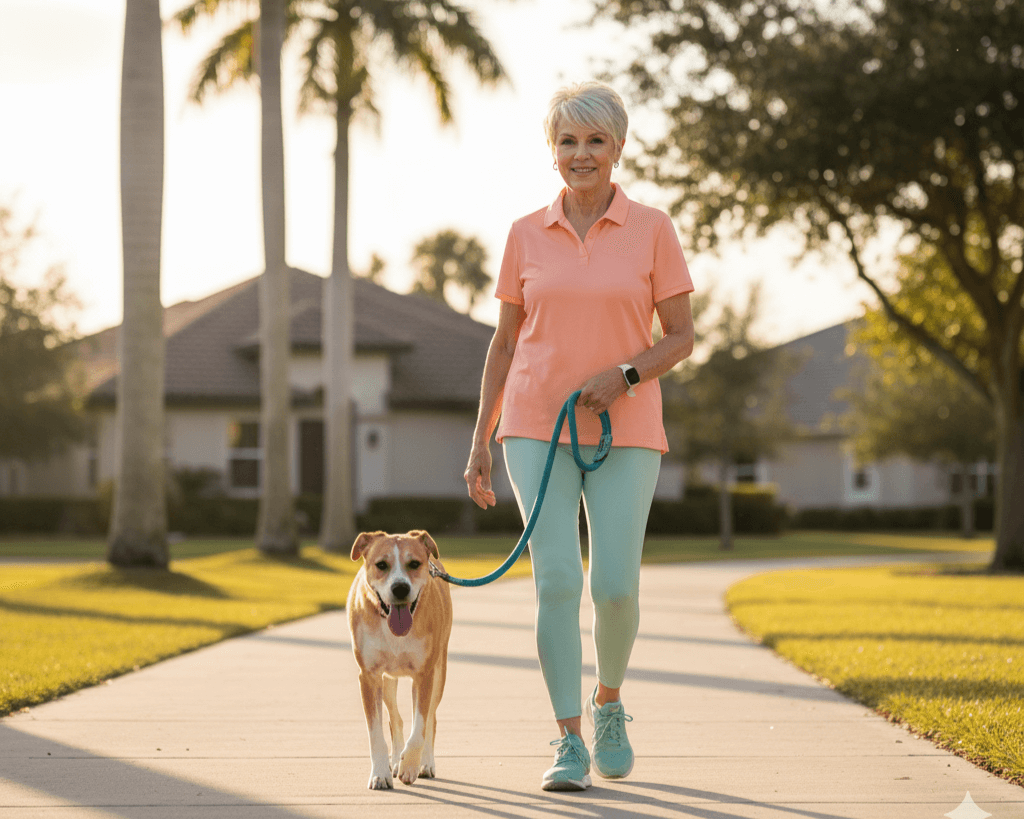
  • Breakthrough U.S. POINTER Study: Hope for Staying Sharp as We Age

    Breakthrough U.S. POINTER Study: Hope for Staying Sharp as We Age

    How a Healthful Lifestyle Can Unlock Your Brain’s Potential

    Remember the slow hum of your transistor radio, tuning stations by hand, or the satisfying click when your VHS landed perfectly on the blank tape? Those moments weren’t just about analog charm; they stirred your brain. Today, a landmark study shows that simple, sustained lifestyle changes, like exercise, social connection, and better eating, can help our brains stay sharp well into our golden years. It’s like fine-tuning your mind’s frequency, but with real-world results.

    What Is the U.S. POINTER Study?

    The U.S. POINTER study—officially, the U.S. Study to Protect Brain Health Through Lifestyle Intervention to Reduce Risk—is a two‑year, multi‑site, randomized clinical trial aimed at older adults (ages 60–79) already at heightened risk for cognitive decline. It’s modeled after Finland’s groundbreaking FINGER study but tailored for a diverse U.S. population.

    Two Paths Toward a Sharper Mind

    The study compared two approaches to lifestyle change—both aimed at bolstering brain health, but differing in support and structure:

    Exercising with Coach for Memory Care

    Structured Intervention

    • 38 peer‑team sessions over two years
    • Prescribed mix of aerobic, resistance, and stretching exercises
    • Adherence to the brain‑healthy MIND diet (Mediterranean + DASH influences)
    • Cognitive activities (e.g., BrainHQ training, group puzzles or discussions)
    • Regular check‑ins on heart health and goal‑setting with a clinician

    Self-Guided Intervention

    • Participants attended only six group meetings for encouragement and shared learning
    • No structured goals or coaching; people chose the changes that suited their lives

    Both were delivered with high adherence and safety across groups

    Yes, Brain Health Can Be Preserved (and Even Improved)

    Cognitive Benefits, Across the Board

    Both intervention groups showed improvements in global cognition over two years.

    • The structured group gained more
    • Executive function (think planning, multitasking) improved more with structure; memory gains were comparable between groups
    • These benefits held steady regardless of age, sex, ethnicity, heart health risk, or even APOE ε4 status, the gene associated with dementia risk
    • Interestingly, those starting with lower baseline cognition seemed to gain even more from the structured program
    US Pointer Study improves both groups

    Safety & Commitment

    • High retention: 89% completed the two-year follow-up
    • Fewer adverse events were reported in the structured group compared to the self-guided group

    Why These Results Matter

    If you’re a Gen Xer or Boomer, maybe you’ve tracked your favorite team’s stats with a pen and notepad, or rewound mixtapes by pencil. Today, memory and mental agility matter even more. Here’s why this study gives hope:

    • Change Is Still Possible After 60 (and beyond):
      • U.S. POINTER shows that consistent, meaningful lifestyle shifts—not pills—can boost your brain’s performance well into later life.
    • Community Matters:
      • Sharing meals, chatting after a BrainHQ session, or stretching together with peers—community connection waters your brain’s garden.
    • Better Than Yesterday:
      • Even modest, self-guided efforts improved cognition. If you’re taking steps now—however small—you’re already on the right track.
    • It’s Not Just About Memory:
      • Planning your grocery runs or balancing checkbooks? That executive function improvement can help keep independence longer.
    • Built to Last:
      • The Alzheimer’s Association is investing heavily—$50 million already and another $40 million over four years—to track these benefits and bring programs into more communities

    What This Feels Like in Real Life

    Picture cleaning out your garage and discovering your old Polaroid collection—suddenly memories return. That’s what U.S. POINTER participants experienced:

    • One participant, 66, started with just 10 minutes of daily activity and eventually felt “forever changed.” She now works out in pajamas, walks dogs, and has shed weight—all while staying mentally sharp.
    • Another, 72, in the self-guided group, found motivation through weekly meetings and now walks five miles a day, volunteers, and keeps his mind active.

    What Can You Do: Starting Today

    • Move a little each day: Walk, stretch, or dance like no one’s watching, 10 minutes can become 30.
    • Snack smart: Lean into whole grains, leafy greens, berries, think MIND diet staples.
    • Challenge your brain: Do a crossword, play bridge, try a new recipe, or log onto sites like BrainHQ.
    • Stay connected: Call an old friend, join a book club, ping your grandchildren.
    • Keep health on the radar: Ask your doctor about blood pressure, cholesterol, and heart health goals.

    Little steps add up, but this study shows that adding structure, like group classes or guided check-ins, can give you an extra boost.

    Reason for Hope (and Action)

    Just like mastering a mixtape or fixing a vintage stereo, caring for your brain takes intention, and it’s worth it. The U.S. POINTER study shows we can defy expectations and sharpen our minds through practical, community-centered efforts.

    It’s evidence you can take to heart, and to action.

    If you or a loved one could benefit from compassionate, structured support for brain health and daily living, reach out to Happy Mountain Home Care at 954-654-8186 or visit www.happymtn.com.

    Your best chapters are still ahead—with clarity, purpose, and hope.

    Happy Mountain Home Care Administrator Samantha Montealegre

    Dr. Samantha Montealegre, DNP, PMHNP-BC, is a Board-Certified Psychiatric Mental Health Nurse Practitioner with over 15 years of experience in direct patient care. She brings extensive expertise in family-centered care, ensuring that every client receives compassionate, reliable, and personalized support to enhance their well-being and independence.

  • Too Hot to Handle: July Heat Wave Safety Tips for Older Adults

    Too Hot to Handle: July Heat Wave Safety Tips for Older Adults

    In South Florida, when July arrives, the high temperatures pose a serious threat, particularly for the elderly. While many view summer as a time for enjoying the beach and sunlight, older individuals are at risk of facing severe health issues due to the scorching heat and potential dehydration.

    A large number of elderly individuals may not be aware of their dehydration until they experience severe symptoms. Aging reduces the body’s capacity to maintain temperature and fluid equilibrium, making older adults in Florida more vulnerable to heat-related issues due to the hot and humid climate in the region.

    What makes older adults more vulnerable?

    Dehydration means more than just “feeling thirsty”. The reality for older adults is more complex, and more dangerous. Several age-related changes contribute to this increased vulnerability:

    • Diminished Thirst Perception: Seniors may not feel thirsty even when their bodies are already dangerously low on fluids.
    • Kidney Function Decline: With age, kidneys lose efficiency, making it harder to conserve water and electrolytes.
    • Medication Side Effects: Many common medications (especially diuretics, laxatives, and high blood pressure drugs) increase fluid loss or suppress thirst.
    • Mobility or Cognitive Impairment: Seniors with dementia, arthritis, or limited mobility may not be able to access water easily without assistance.
    • Chronic Conditions: Diseases like diabetes, heart disease, and Parkinson’s can all contribute to fluid imbalances.

    In South Florida, where both heat and humidity is particularly intense during July and August, these risks compound quickly. Even brief exposure to the midday sun can lead to rapid fluid loss through sweating. Especially if a senior is already underhydrated or taking medications that alter fluid balances.

    The Warning Signs of Dehydration in Older Adults

    • Dry mouth or cracked lips
    • Dizziness or unsteadiness
    • Headaches
    • Dark-colored urine or very low urine output
    • Muscle cramping
    • Rapid heartbeat
    • Fatigue or lethargy
    • Confusion or sudden change in mental status
    • Low blood pressure or fainting
    • Constipation or dry skin
    • Inability to sweat or produce tears
    • Sunken eyes or dry-looking skin

    If symptoms like confusion, inability to stay awake, or inability to keep fluids down occur, immediate medical care is needed. Dehydration can quickly escalate into heat exhaustion, urinary tract infections, kidney problems, or heatstroke — a potentially life-threatening condition.

    Real-World Risks in the Florida Summer

    In the intense heat of a South Florida summer, older adults are at higher risk even if they remain indoors. Homes without proper air conditioning or ventilation can become dangerously warm, especially for seniors who live alone or have limited mobility. And because aging bodies are less efficient at temperature regulation, even moderate heat can strain the cardiovascular system and lead to increased falls, strokes, or heart events.

    It’s not just about avoiding outdoor activities, it’s about maintaining safe body temperature and hydration all day long.

    How to Keep Seniors Safe and Hydrated

    Hydrating

    Fortunately, dehydration is preventable, but it requires proactive planning and daily support. Here’s how you can protect your aging loved ones during peak summer heat:

    • Encourage Regular Sipping: Rather than waiting until mealtimes, seniors should sip water or electrolyte drinks throughout the day.
    • Make Fluids Accessible: Keep a water bottle or lidded cup within reach at all times; at bedside tables, living room chairs, walkers, and kitchen counters.
    • Use High-Water Foods: Serve water-rich fruits like watermelon, oranges, grapes, and cucumbers, as well as soups, broths, and smoothies.
    • Avoid Dehydrators: Limit caffeine, alcohol, and salty snacks, all of which increase fluid loss.
    • Stay Cool: Use fans, air conditioning, cooling towels, and avoid or limit physical activity during the hottest parts of the day (10 a.m. to 4 p.m.).
    • Track Intake: Create a simple hydration log or use an app to help caregivers monitor daily fluid intake.
    • Ask About Medications: Speak with the senior’s doctor about medications that may increase fluid loss or interfere with hydration.
    • Educate and Support: Some seniors are unaware of the dangers of dehydration or simply forget to drink. Reminders from caregivers can go a long way.

    Even better, consider having a professional caregiver present — someone who not only provides companionship but also gently encourages hydration, prepares healthy meals, and recognizes the early signs of trouble.

    Partner With a Home Care Agency You Can Trust

    Staying hydrated and cool

    At Happy Mountain Home Care, we understand how vulnerable seniors can be in the Florida summer — especially those living with chronic conditions or reduced mobility. Our caregivers are trained to monitor hydration, prepare hydrating meals and beverages, and ensure that your loved one stays safe, cool, and cared for — even during a heatwave.

    Whether your loved one needs support a few hours a day or ongoing daily care, we’re here to help.

    💧 Don’t Wait Until It’s Too Late

    Call us today for a free in-home consultation. Let’s work together to make sure your loved one stays healthy, hydrated, and thriving all summer long.

    Happy Mountain Home Care Administrator Samantha Montealegre

    Dr. Samantha Montealegre, DNP, PMHNP-BC, is a Board-Certified Psychiatric Mental Health Nurse Practitioner with over 15 years of experience in direct patient care. She brings extensive expertise in family-centered care, ensuring that every client receives compassionate, reliable, and personalized support to enhance their well-being and independence.